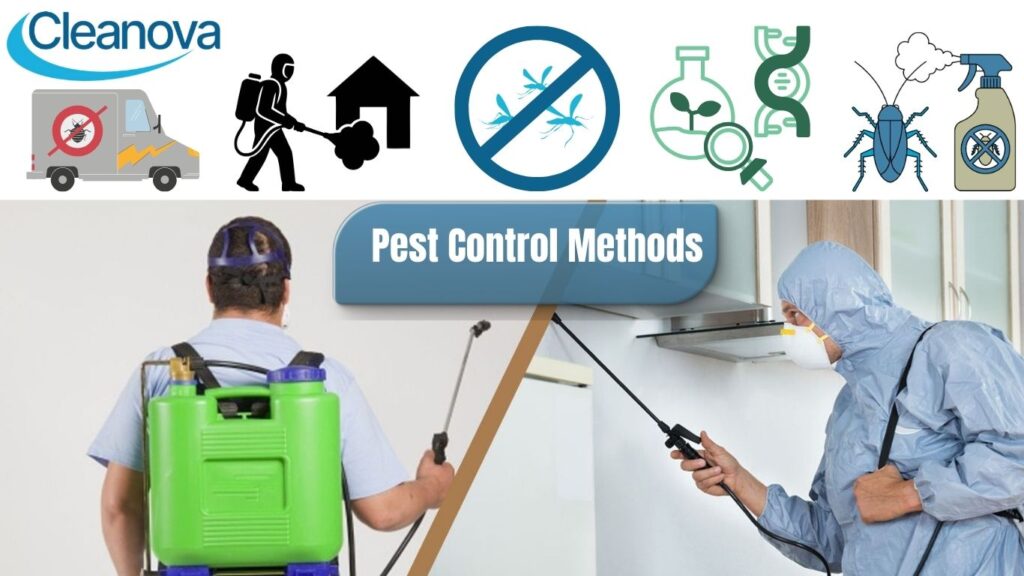
Pests are a common problem in homes and businesses across Riyadh. Many people search for reliable pest control methods to stay safe and healthy. Choosing the right approach depends on the pest type, location, and level of infestation. Cleanova believes understanding these methods helps people make better decisions from the start.
Understanding Pest Control Basics
Pest control means managing insects, rodents, and other harmful pests. The goal is to reduce damage and protect health. Different environments need different control approaches. Not every method works the same way.
Some methods focus on prevention, while others stop active infestations. Natural and chemical approaches are both used carefully. Choosing the right method avoids future problems. Knowledge plays a key role in success.
Modern pest control looks beyond quick fixes. Long-term safety and balance are important. This is why many professionals combine methods. A planned approach works best.
Key Takeaways About Pest Control Approaches
- Pest control is not one-size-fits-all. Each method has strengths and limits. Some focus on safety, while others focus on fast results. Understanding options helps avoid mistakes.
- Sustainable pest control methods are becoming more popular. These focus on reducing harm to people and nature. Long-term planning saves money and effort. Smart choices bring better outcomes.
- Knowing the types of pest control methods helps with prevention. Early action reduces damage. Education is the first step to control. Awareness leads to safer spaces.
Types of pest control Methods
1: Mechanical Control Techniques
Mechanical control uses tools instead of chemicals. It focuses on direct removal or blocking pests. These methods work well in small areas. They reduce chemical exposure.
This approach is often used indoors. It helps manage pests safely. Regular use improves results. Maintenance is important.
Mechanical methods are simple but effective. They require consistency. Proper placement matters. They support long-term prevention.
2: Chemical-Based Pest Treatments
Chemical treatments use approved products to control pests. These methods act quickly. They are effective for serious infestations. Proper use is very important.
Not all chemicals are the same. Each targets specific pests. Incorrect use can cause risks. Professional guidance is recommended.
Safety measures must always be followed. Chemicals should not be overused. Controlled application gives better results. Balance is key.
Different Types of Chemical Pest Control Methods
Chemical pest control includes several categories. Each serves a different purpose. Selection depends on pest type. Correct choice improves safety.
- Insect Control Chemicals
Insecticides target crawling and flying insects. They disrupt pest life cycles. These products work indoors and outdoors. Timing affects results.
Overuse can cause resistance. Correct dosage matters. Ventilation is important after application. Safety rules must be followed.
- Rodent Control Products
Rodenticides help control rats and mice. They are used carefully in hidden areas. These products reduce rodent populations. Monitoring is required.
Improper placement can cause harm. Secure areas are necessary. Follow-up checks improve success. Safety is essential.
- Weed and Plant Pest Chemicals
Herbicides control unwanted plant growth. They are used around buildings and yards. These chemicals prevent pest shelters. Careful handling is required.
Weather affects application. Overuse damages soil. Controlled use protects surroundings. Planning improves outcomes.
4: Biological Pest Control Methods
Biological control uses natural enemies of pests. It reduces chemical use. This method supports environmental balance. Results take time.
It works best in controlled environments. Long-term impact is positive. Monitoring is required. Patience is important.
Natural control lowers health risks. It supports sustainability. Professionals plan these methods carefully. Balance is maintained.
- Natural Predators and Beneficial Insects
Some insects feed on harmful pests. These helpers reduce infestations naturally. They are used in gardens and farms. Balance is important.
Too many predators can cause issues. Controlled release is necessary. Monitoring ensures success. Nature does the work.
- Parasites and Nematode Controls
Certain organisms attack pests directly. They enter pest bodies and stop growth. These methods are very targeted. They are safe when managed well.
They work best in moist conditions. Temperature affects performance. Professional planning improves results. Careful use is required.
- Microbial Pest Control Solutions
Microbial agents use bacteria or fungi. They target specific pests. These methods are eco-friendly. Results appear gradually.
They do not harm humans. Environmental impact is low. Correct conditions are needed. Monitoring improves success.
4: Physical Pest Control Methods
Physical control blocks or removes pests. It focuses on access prevention. These methods are simple and effective. Maintenance is required.
They work well with other approaches. Physical barriers reduce entry. Removal limits spread. Consistency matters.
Physical methods are safe. They suit homes and offices. Planning improves effectiveness. Long-term results depend on upkeep.
- Barriers and Entry Prevention
Sealing gaps stops pests from entering. Doors and windows need checks. Small openings allow pests inside. Repairs reduce risk.
This method prevents future infestations. It works best with inspections. Regular maintenance is important. Prevention saves cost.
- Traps and Capture Tools
Traps catch pests directly. They help monitor activity. Placement affects success. Regular checks are needed.
Different pests need different traps. Clean handling is important. Disposal must be safe. Traps support control plans.
- H4: Manual Removal Methods
Some pests are removed by hand tools. This works for visible pests. Safety gear is needed. Care prevents spread.
Manual removal reduces numbers quickly. It is not a full solution. Follow-up is necessary. Combined methods work better.
- H4: Vacuum and Suction Techniques
Vacuuming removes insects safely. It is chemical-free. This method suits indoor areas. Immediate results are seen.
Proper disposal is important. Equipment must be clean. Regular use improves results. It supports prevention.
5: Cultural Pest Control Practices
Cultural control changes habits and environments. It focuses on cleanliness and maintenance. These practices reduce pest attraction. Long-term benefits are strong.
Waste management plays a big role. Moisture control is important. Clean spaces discourage pests. Awareness improves results.
Cultural methods support all other techniques. They are cost-effective. Daily habits matter. Prevention starts here.
- Creating Long-Term Prevention Programs
Regular routines reduce pest risks. Scheduled checks help early detection. Planning avoids emergencies. Consistency matters.
Programs focus on prevention first. They reduce repeat problems. Education supports success. Long-term planning works best.
- Using Digital Tools for Prevention Planning
Software helps track pest activity. Records improve decision-making. Data shows patterns. Planning becomes easier.
Technology supports monitoring. It improves response time. Prevention becomes structured. Accuracy increases.
- Becoming a Trusted Pest Control Advisor
Education builds trust. Clear advice helps property owners. Honest guidance improves outcomes. Experience matters.
Consultative approaches reduce mistakes. Planning becomes smarter. Long-term safety improves. Knowledge leads control.
What Influences the Choice of Pest Control Method?
Pest type is the main factor. Location also matters. Severity affects decisions. Safety is always considered.
Environment plays a role. Indoor and outdoor needs differ. Human and pet safety matters. Balance is required.
Budget and time affect choices. Long-term plans differ from quick fixes. Best pest control helps. Smart choices reduce risks.
Environmental Effects of Pest Control Choices
Every method affects surroundings differently. Some impact air or soil. Others are eco-friendly. Balance is important.
- Effects of Chemical-Based Controls
Chemical pesticides can leave residues. Overuse affects health. Proper handling reduces risk. Controlled use is essential.
- Effects of Physical and Mechanical Controls
Physical methods are safer for nature. They reduce chemical exposure. Maintenance is needed. Long-term use is effective.
Are Natural and Organic Pest Controls Effective?
Natural methods work best for prevention. They reduce chemical exposure. Results may take time. Patience is required.
Organic controls suit sensitive environments. They are safer for families. Monitoring improves success. Balance is important.
Not all pests respond the same. Combining methods improves outcomes. Planning increases effectiveness. Knowledge is key.
Choosing the Right Method for Each Infestation
Every infestation is different. Size and location matter. Pest behavior affects treatment. Assessment is essential.
Some cases need multiple methods. Others need simple solutions. Wrong choices cause repeat problems. Planning avoids mistakes.
Professional evaluation helps. Experience guides decisions. Long-term results improve. Safety remains priority.
Responsibilities and Risks When Using Pesticides
Pesticides must be used carefully. Misuse causes harm. Labels must be followed. Safety equipment is important.
Storage matters greatly. Children and pets must be protected. Disposal must be proper. Responsibility is key.
Training reduces risk. Awareness prevents accidents. Controlled use protects health. Safety always comes first.
Integrated Pest Management (IPM) Approach
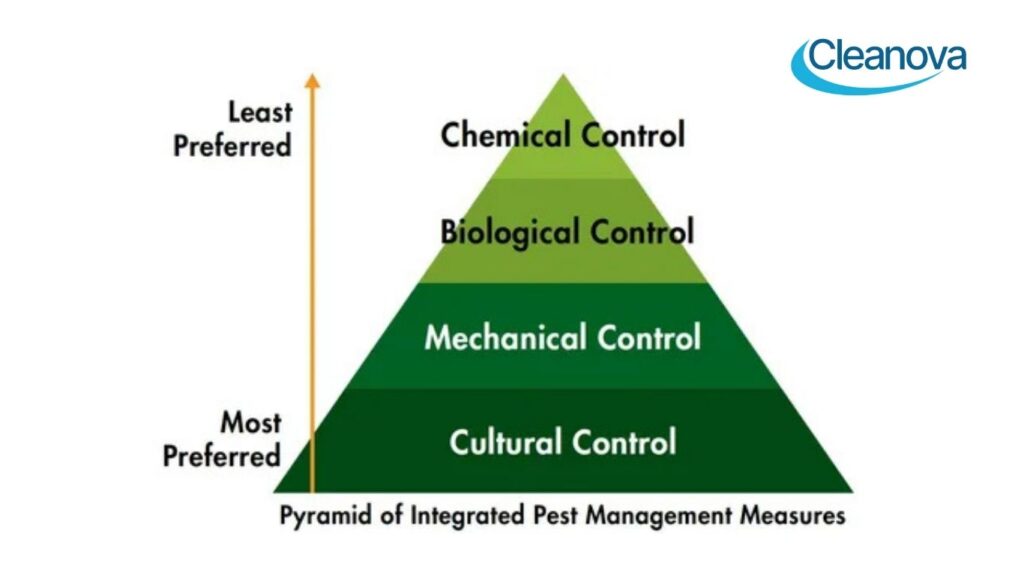
IPM combines different pest control methods. It focuses on prevention first. Chemicals are used only when needed. Balance is maintained.
This approach reduces risks. Long-term results improve. Monitoring guides actions. Planning is structured.
IPM supports sustainability. It protects health and environment. Smart control replaces guesswork. Strategy matters.
Core Principles of IPMH4:
- Identifying the Pest Correctly
Correct identification avoids wrong treatment. Different pests need different methods. Observation is key. Accuracy matters.
- Regular Monitoring and Inspection
Monitoring shows pest levels. Early signs are detected. Action is timely. Prevention improves.
- Preventive Actions First
Sealing and cleaning reduce pests. Prevention reduces treatment need. Habits matter. Planning works.
- Decision Based on Pest Levels
Treatment starts only when needed. This avoids overuse. Balance is maintained. Smart control saves cost.
- Applying the Right Control Method
The safest method is chosen first. Stronger methods come later. Control stays effective. Safety is protected.
- H2: Effective and Safe Pest Control for All Environments
Different settings need different care. Homes, offices, and shops vary. Safety is always important. Planning improves success.
Balanced methods protect people and property. Prevention reduces long-term risks. Smart strategies work best. Knowledge leads results.
Choosing the right approach saves time and money. Understanding methods helps control pests. Safety and balance matter most. Awareness creates protection.
Ready to Take the Next Step?
Understanding pest control methods helps you protect your space better. Cleanova offers expert guidance and professional support in Riyadh.
📞 Contact Cleanova today or book now for safe, reliable pest control services.